Culture & heritage
Cultural heritage represents the tangible and intangible legacy passed down through generations—from ancient monuments and historical sites to traditional crafts, oral histories, and living customs. Yet this irreplaceable inheritance faces unprecedented pressures. Mass tourism erodes fragile structures, authentic craftsmanship competes with industrial imitations, and traditional knowledge disappears as elder practitioners pass away without successors. Understanding how to engage with heritage responsibly transforms us from passive consumers into active stewards.
This relationship between heritage and community extends far beyond museum visits or vacation photos. It encompasses economic systems that sustain local artisans, conservation practices that prevent irreversible damage, educational approaches that inspire younger generations, and documentation efforts that preserve disappearing traditions. Each decision we make—where we visit, what we purchase, how we behave at sacred sites—ripples through these interconnected systems. Informed engagement becomes the foundation for meaningful preservation.
Sustainable Tourism and Heritage Preservation
Historical sites worldwide face a paradox: tourism generates revenue essential for maintenance, yet visitor volume simultaneously accelerates deterioration. Popular destinations experience foot traffic damage that compounds over time—stone steps worn smooth and dangerously slick, frescoes faded from camera flashes, wooden structures weakened by humidity from crowded spaces.
Recognizing Your Impact as a Visitor
Physical contact with ancient surfaces transfers oils, acids, and moisture that trigger chemical degradation. A single touch seems harmless, but when thousands of visitors per day brush against the same marble column or temple carving, the cumulative effect becomes visible within months. Temperature fluctuations from massed bodies in enclosed spaces create condensation cycles that promote mold growth and material expansion. Even respectful photography can harm fragile pigments if flash settings remain enabled.
Choosing Lower-Impact Alternatives
Strategic planning reduces strain on overwhelmed sites while revealing equally remarkable destinations. Consider visiting lesser-known regional sites rather than only flagship attractions—a medieval village church often preserves architectural techniques and artwork comparable to famous cathedrals, without the crowds. Timing matters profoundly: visiting during shoulder seasons or midweek distributes visitor numbers more evenly throughout the year, allowing natural recovery periods. Some sites now implement timed entry systems or visitor caps specifically to protect vulnerable elements while maintaining access.
Supporting Preservation Through Economic Participation
Entry fees and guided tours directly fund conservation when managed by heritage organizations rather than external commercial operators. Local preservation economies include skilled restorers, traditional materials suppliers, and specialized craftspeople who maintain sites using historically appropriate techniques. Your ticket purchase might support a stone mason trained in medieval mortar formulation or fund archival research that informs accurate restoration rather than destructive “improvements.”
The Economics of Traditional Art and Artisan Work
Authentic traditional crafts face economic extinction as mass-produced imitations flood tourist markets at fraction prices. Understanding the true cost structure of handmade work helps distinguish genuine artisan products while supporting sustainable creative economies.
What Determines the Value of Original Art
Handcrafted items incorporate three cost components rarely visible to purchasers: skill acquisition time (often years or decades of apprenticeship), material quality (natural dyes, sustainably harvested wood, hand-spun fibers), and production hours. A hand-woven textile requiring 60 hours of work cannot compete on price with factory versions produced in minutes. When an artisan charges what seems expensive, they’re typically earning less per hour than minimum wage after material costs.
Finding and Supporting Local Artisans
Artisan cooperatives and craft collectives offer direct access to makers while ensuring fair compensation. These organizations often provide workshop spaces where you can observe creation processes—watching a potter throw traditional forms or a weaver work a floor loom clarifies why authentic pieces command higher prices. Many artisans accept commissions for custom work, allowing you to own a unique piece while providing the stable income that enables continued practice. Even if budget constraints limit purchases, visiting studios and asking informed questions about techniques demonstrates cultural appreciation that encourages continuation of traditional practices.
Spotting Manufacturing Versus Handcraft
Mass-produced “traditional” items reveal themselves through perfect uniformity, synthetic materials, and artificially aged surfaces. Examine multiple examples of the same design: handmade pieces show subtle variations in dimension, pattern alignment, and surface texture, while factory goods appear identical. Tool marks indicate production method—machine cutting creates perfectly regular edges, while hand-carving leaves slight irregularities. Sellers of authentic work can typically explain specific techniques, material sources, and regional style variations, whereas vendors of manufactured goods deflect with vague answers.
Citizen Responsibility in Heritage Conservation
Heritage protection extends beyond professional conservators to encompass every visitor, resident, and community member. Individual actions collectively determine whether sites survive for future generations or deteriorate beyond recovery.
Understanding Erosion Through Touch and Interaction
The instinct to physically connect with historical objects—running fingers along carved inscriptions, leaning against ancient walls, climbing onto sculptures for photos—causes measurable harm. Stone surfaces polish smooth under repeated contact, obscuring fine details carved centuries ago. Bronze and copper develop irregular patinas as hand oils create corrosion patterns. Wooden architectural elements absorb moisture and contaminants that accelerate rot. Observing posted barriers and “do not touch” signage prevents this cumulative erosion, even when surfaces appear robust.
Effective Vandalism Reporting and Documentation
Witnessing graffiti, theft attempts, or deliberate damage requires prompt, detailed reporting to site management or local heritage authorities. Photograph the damage from multiple angles with contextual shots showing location within the site. Note the time, weather conditions, and any identifying details about perpetrators if observed safely. This documentation enables authorities to assess severity, track patterns, and potentially pursue prosecution. Many heritage organizations now maintain digital reporting systems accessible via smartphone, facilitating real-time alerts.
Volunteering for Preservation Projects
Numerous organizations welcome non-specialist volunteers for conservation work ranging from archaeological surveying to archival digitization. Weekend projects might involve clearing invasive vegetation from historic gardens, cataloging museum collections, or assisting with traditional building maintenance using period-appropriate techniques. These experiences provide hands-on education about conservation challenges while contributing tangible support. Even remote volunteering opportunities exist, such as transcribing historical documents or georeferencing old photographs to create heritage databases.
Engaging Families and Youth in Cultural Heritage
Transmitting heritage appreciation to younger generations ensures continuity of preservation values. Strategic approaches transform potentially tedious museum visits into memorable learning experiences that spark lasting curiosity.
Pre-Visit Preparation and Context Building
Children engage more deeply when they arrive with basic knowledge and specific things to discover. Spend time beforehand exploring age-appropriate books, videos, or interactive websites about the destination. Create a scavenger hunt list of architectural features, symbols, or objects to locate—”Find three different types of columns” or “Spot the lion symbol in five places.” This focused seeking activates problem-solving engagement rather than passive wandering. Discuss why this heritage matters: “People built this cathedral over 100 years using only hand tools and rope—imagine how much planning and teamwork that required.”
Managing Museum Fatigue and Timing Exits
Cognitive overload strikes children (and adults) after prolonged exposure to new information in static environments. Plan shorter visits focused on specific galleries or themes rather than attempting comprehensive tours. Most engagement occurs within the first 45-60 minutes; continuing beyond this point often creates negative associations with cultural sites. Watch for fatigue signals—decreased questions, physical restlessness, complaints—and exit proactively while the experience remains positive. A brief, enjoyable visit that ends with “Can we come back?” succeeds far better than an exhausting marathon that breeds resentment.
Seeking Interactive and Hands-On Zones
Many heritage sites now incorporate touchable replicas, costume dress-up areas, traditional craft demonstrations, or digital interactives specifically designed for kinesthetic learners. Prioritize these experiential zones where children can grind grain with replica tools, try on armor pieces, or manipulate puzzles based on historical engineering. The sensory engagement creates stronger memory formation than passive observation, while teaching that heritage involves real people performing concrete activities rather than abstract history.
Preserving Intangible Cultural Traditions
While buildings and artifacts receive substantial preservation attention, intangible heritage—oral traditions, performance arts, traditional knowledge, endangered languages—disappears silently without deliberate documentation and transmission efforts.
Recording Oral Histories and Traditional Knowledge
Elder community members possess irreplaceable knowledge about traditional practices, historical events, and cultural contexts that exist nowhere in written form. Audio and video recording preserves not just content but also speech patterns, gestures, and emotional nuances that text cannot capture. When conducting recordings, use open-ended questions that encourage storytelling: “Describe how your grandmother prepared traditional foods” rather than “Did your grandmother cook?” Allow silences for reflection rather than rushing to fill pauses. Secure proper permissions for archiving and sharing, respecting any cultural protocols about restricted knowledge.
Transmitting Skills to Younger Generations
Traditional skills ranging from boat building to medicinal plant identification disappear when practitioners die without teaching successors. Formal apprenticeship programs connect motivated learners with master practitioners for intensive skill transfer. Community workshops introduce traditional techniques to broader audiences, identifying potential serious students while raising general awareness. Documentation through detailed video tutorials, pattern books, and technical manuals creates reference resources for future learners even after current practitioners pass on.
Sustainable Commercialization Without Exploitation
Traditional knowledge holds economic value that can support communities when commercialization respects cultural ownership. Fair trade certification and cultural intellectual property protections ensure communities receive appropriate compensation when traditional designs, recipes, or techniques enter commercial markets. Tourism experiences centered on intangible heritage—cooking classes using traditional methods, craft workshops, musical performances—generate income that makes cultural practice economically viable for younger generations. The balance requires maintaining authenticity and community control rather than allowing external commodification that strips cultural context for entertainment value.
Cultural heritage preservation ultimately depends on recognizing ourselves as temporary custodians rather than passive consumers. Whether choosing where to travel, what to purchase, how to behave at historical sites, or how to engage younger generations, each decision either supports or undermines the survival of irreplaceable cultural legacy. The knowledge, traditional skills, and physical sites inherited from previous generations exist in the present moment only through our collective choices. Informed, respectful engagement transforms heritage from museum artifact into living connection across time.
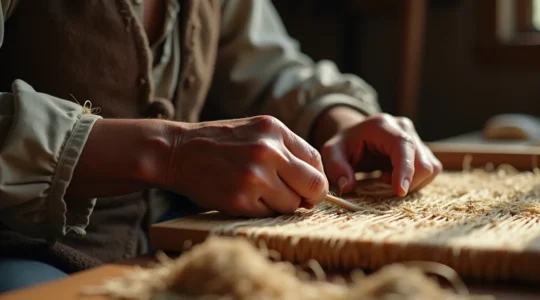
Why Preserving Intangible Cultural Heritage Is Harder Than Saving Buildings
Contrary to popular belief, the greatest threat to our living traditions isn’t neglect, but our very methods of preservation—digital archives and tourism often perform a cultural autopsy, not life support. Static digital records, like videos or dictionaries, strip traditions of…
Read more
How to Visit Museums with Kids Without Boredom or Meltdowns?
The secret to a successful museum trip isn’t just picking the right museum; it’s changing your role from “tour guide” to “game master.” Transform the visit into a series of fun, achievable missions instead of an overwhelming cultural lesson. Proactively…
Read more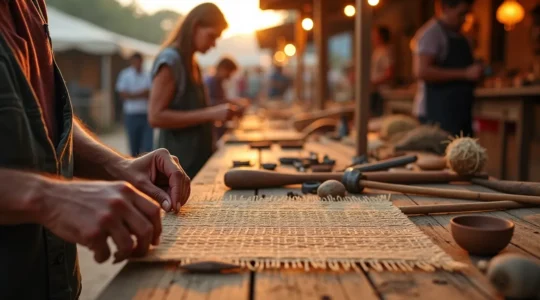
Tourist Trap vs. Real Artisan: An Investigator’s Guide to Authentic Craftsmanship
Spotting genuine crafts goes beyond surface-level inspection; it’s about uncovering the story, materials, and economics behind the object. Authentic pieces have a traceable material story and provenance that a real maker can articulate. The price directly reflects irreplaceable hours of…
Read more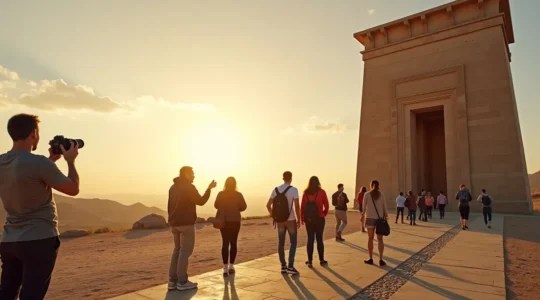
How Travelers Become Essential Guardians of World Heritage Sites
The common tourist dilemma is believing that heritage protection is simply about following rules like “do not touch.” This article reframes that perspective. The key is not passive avoidance but active stewardship, which comes from understanding the hidden science of…
Read more
Why Investing in Local Works of Art Is Smarter Than Buying Mass-Market Prints?
Investing in original local art is a superior strategy for both personal wealth creation and home personalization, decisively outperforming mass-produced decor. It functions as a tangible cultural asset with potential for financial appreciation, while factory prints have zero resale value….
Read more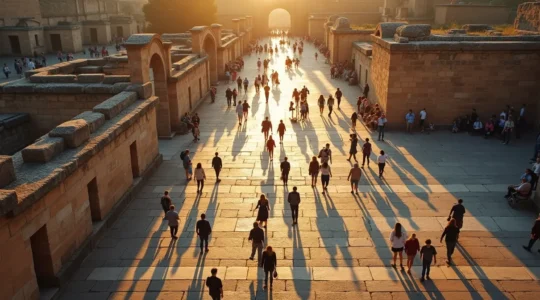
The Unseen Vandals: How Your Visit Is Silently Eroding Europe’s Ancient Sites
The greatest threat to Europe’s ancient monuments isn’t a single act of vandalism, but the cumulative, invisible impact of millions of well-intentioned visitors. Your footsteps and camera flash cause more quantifiable damage over time than natural erosion. Choosing less-traveled sites…
Read more